
Cambridge, MA
Custom Curtains for Homes in Cambridge, MA
Custom curtains in Cambridge, MA can make a bright condo more restful, give a renovated residence a finished feeling, or bring gentle texture to an older home. Begin with the light you want to change and the space you have.
Free
In-home consultations in Cambridge
Personal
Fabric selection
Measured
For individual openings
Layered
Flexible coverage
Considered
Hardware and hems
Cambridge, comfortably yours
Let the architecture lead, without setting every rule
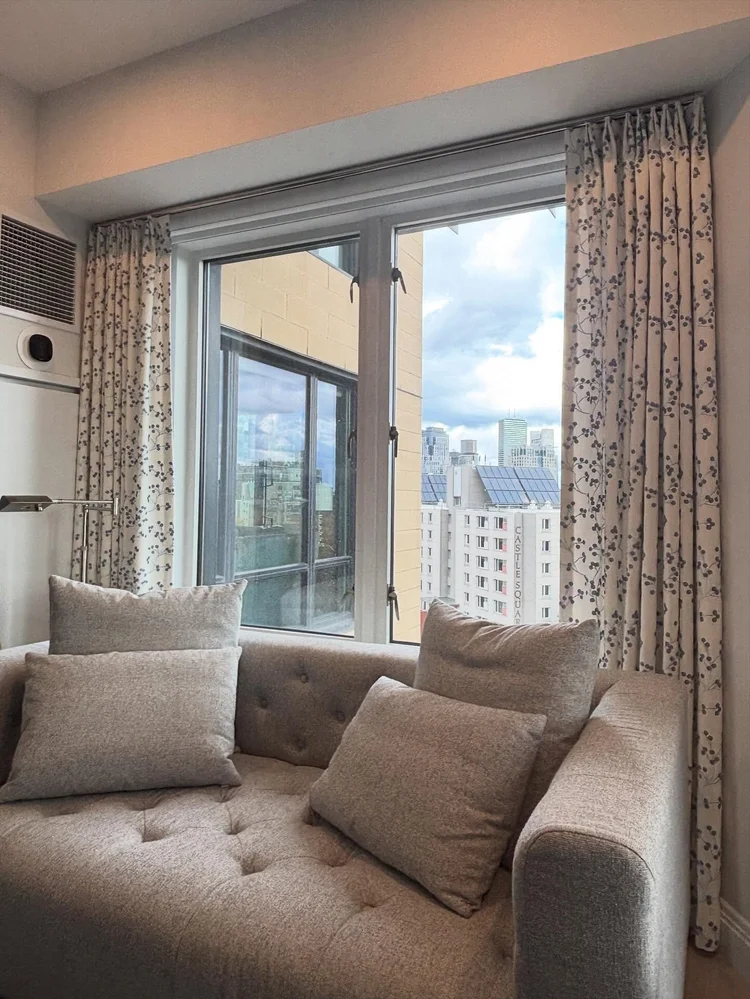
Modern condos often benefit from fabric that softens broad glass without crowding the furniture. Traditional Cambridge homes might call for a little more texture beside painted trim. Renovated residences can borrow from either approach. Explore our curtain fabrics and design possibilities with the feeling of your own rooms in mind, rather than choosing a style label first.
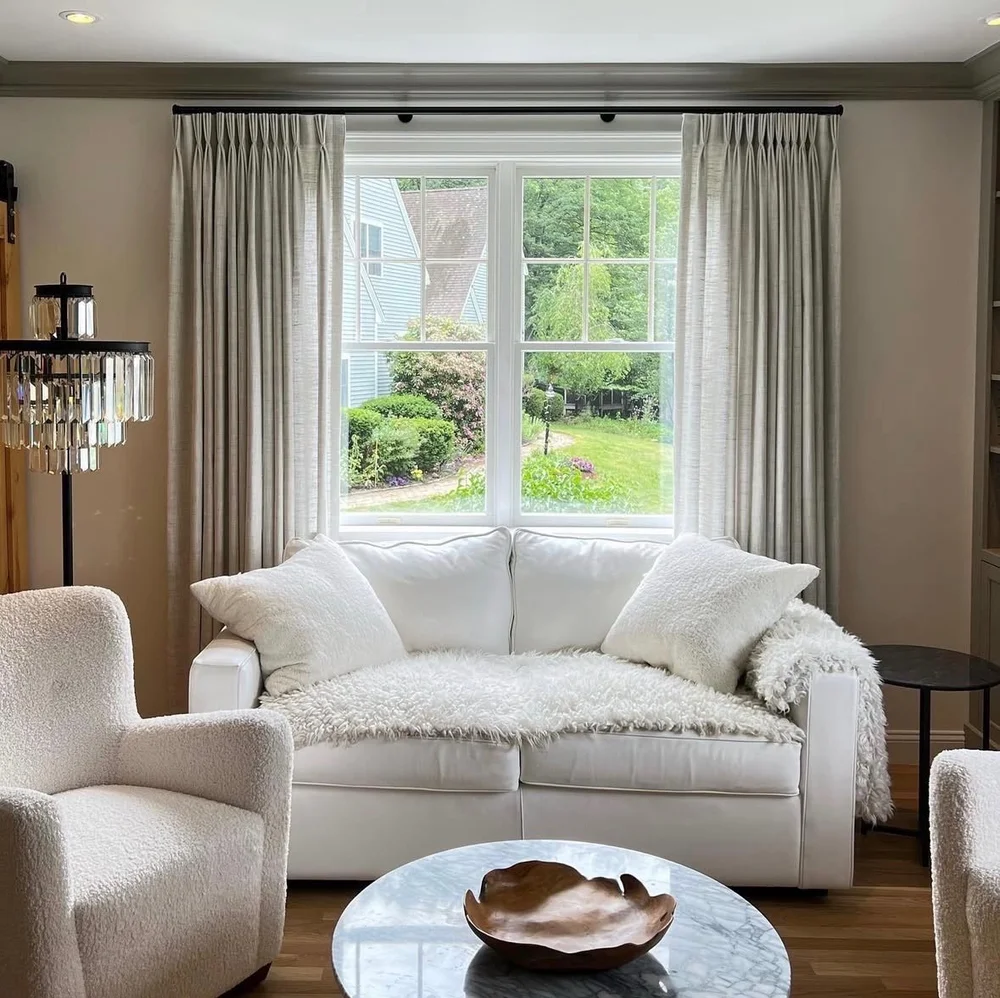
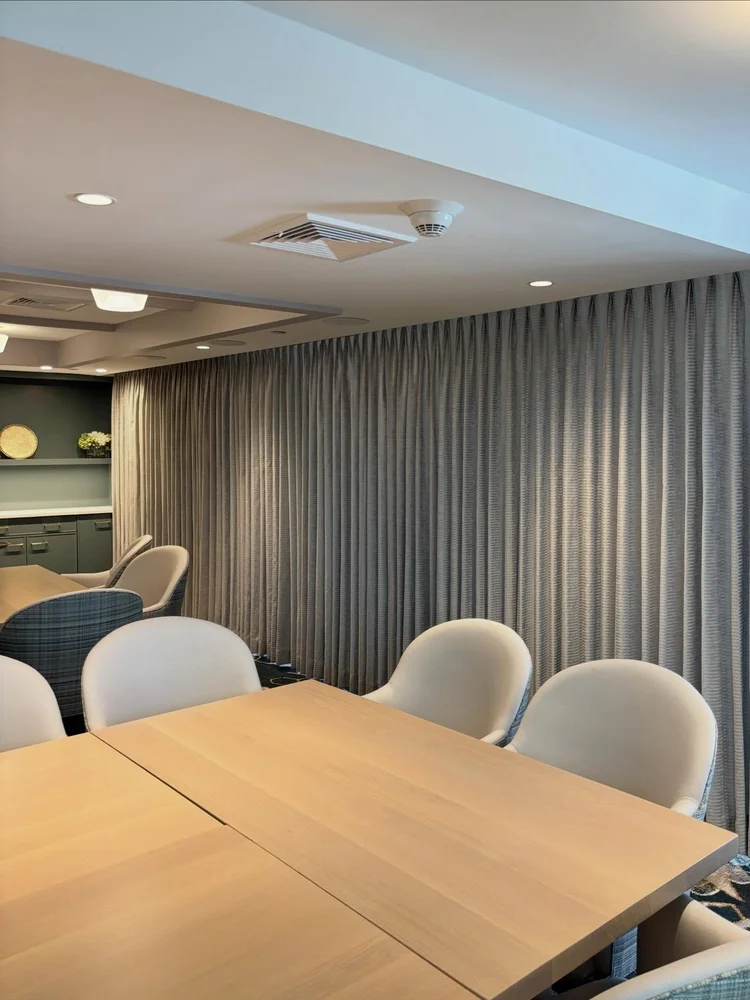
A simple curtain can connect an older window with a newly updated interior. Repeated folds create a calm rhythm, while a restrained color lets furniture and artwork remain noticeable. If you prefer pattern, consider its scale when the cloth gathers. A large motif reads differently in a narrow folded panel than it does across a flat sample.
In smaller living spaces, every projection matters. A curtain must share the wall with shelves, lamps and the edge of a sofa. Planning where the fabric rests when open helps preserve useful space. Professionally measured panels can give an unusual opening appropriate coverage without relying on extra fabric to disguise an uncertain fit.
Look from your usual seat
Dimensions with a purpose
Measure the surroundings, not only the glass
Tall openings
Narrow wall sections
Uneven floor lines
Mixed window heights
Everyday priorities
Give each room the coverage it needs
| Space | Daily concern | A useful direction |
|---|---|---|
| Bedroom | Streetlights and morning brightness | Blackout lining with planned overlap |
| Compact living area | Furniture close to the window | Neat folds and limited projection |
| Home office | Reflections across a screen | Adjustable coverage during working hours |
| Dining nook | Evening visibility from outside | An opaque closing curtain |
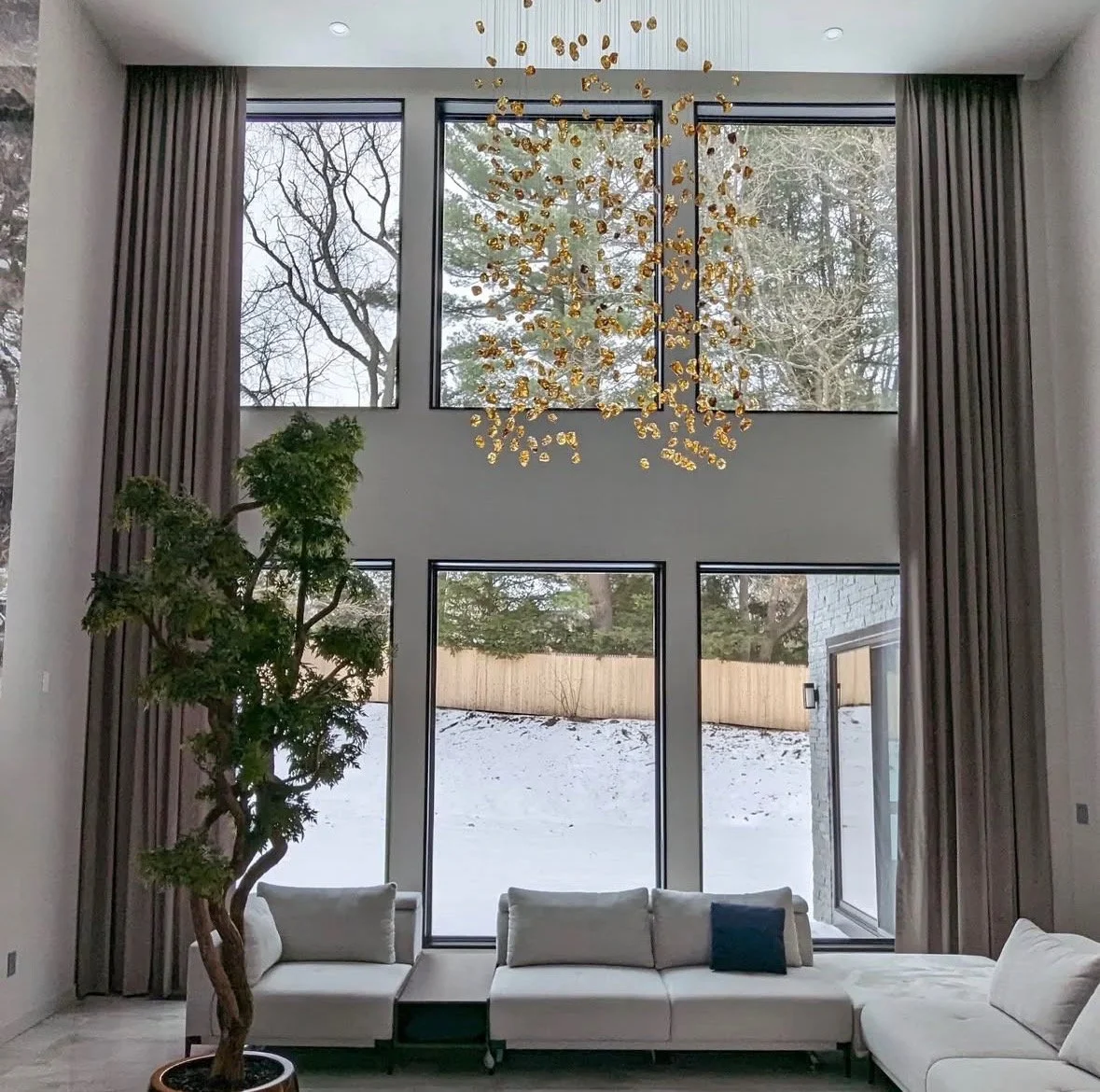
| Tall condo window | Reaching the fabric comfortably | A suitable track and accessible controls |
Light on your terms
Balance privacy, brightness and a restful bedroom
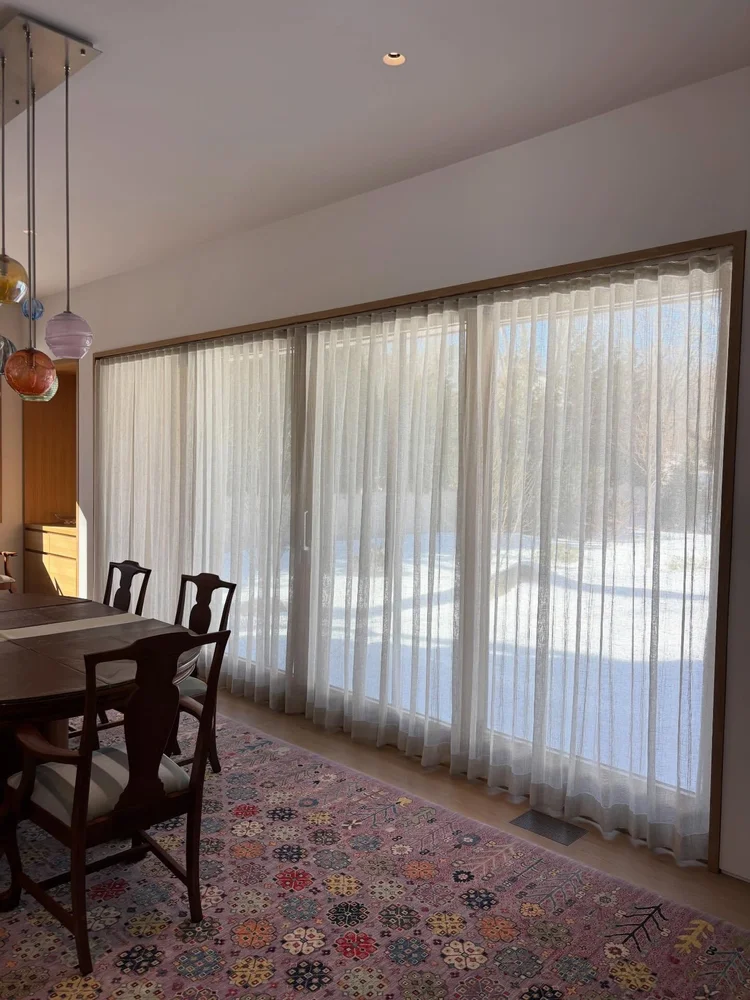
In dense neighborhoods, privacy depends on more than the distance to the sidewalk. A neighboring window may look down into the room, or across toward your favorite chair. Describe those sightlines when considering sheers. They can soften daylight beautifully, but a more opaque layer is usually needed when lamps are on and the outdoors is dark.
For bedrooms, blackout curtains begin with a fabric or lining designed to block light through the material. Light can still enter around the edges. Panel overlap, side returns and mounting height all deserve attention. Discuss how dark you hope the room will feel, rather than assuming the word blackout promises complete darkness in every installation.
Glare reduction need not mean keeping heavy drapes closed all afternoon. A lighter filtering layer may help soften brightness while a separate curtain handles evening privacy. If you want to compare other combinations, our Cambridge window covering overview offers a broader starting point. The right balance depends on your exposure and how you use the room.
- Identify distracting reflections
- Consider views from nearby buildings
- Discuss bedroom edge light
- Compare samples in changing daylight
Imagine the possibilities
Three ways to approach a Cambridge room
A compact contemporary lounge
A renewed traditional bedroom
A bright room for working
A well-fitted curtain should make the room easier to use, not ask you to rearrange your day around it.
Time to compare
Bring your questions and a few room details
At the Waltham showroom, compare the feel of materials as well as their colors. Bring a wide photograph showing the whole window wall. Include nearby furniture, ceiling details and anything that might interfere with brackets or moving fabric.
Browse the window treatment photographs for details you like, such as a small finial or an even heading. You do not need to copy an entire room. A few preferences help narrow the choices while leaving space for a solution that belongs in your home.
- Modern condo interiors
- Thoughtfully renovated residences
- Traditional Cambridge rooms
- Smaller city living spaces
Ideas in fabric
Notice the small choices that shape a room

From questions to curtains
Build a complete plan before fabric is cut
- 1
Share your priorities
Request a design visit at home. Tell us whether privacy, glare, sleep or appearance is your main concern, and mention any decorating work still underway. - 2
Establish the dimensions
Professional measuring checks mounting positions, panel travel and finished lengths together. This helps avoid gaps, crowded corners and standard panels that stop short of an unusually tall opening. - 3
Choose the working details
Coordinate lining, heading and contemporary hardware before ordering. For tall or hard to reach windows, ask whether powered curtain operation suits the proposed system and available power. - 4
Confirm and finish
Review the agreed specifications and installation arrangements. Custom drapery takes 7 to 8 weeks. Once installed, learn how the panels should travel and how to handle the chosen fabric gently.
Good proportions can be quiet. You notice them in the ease of opening a curtain and the way the room feels afterward.
FAQ
Planning curtains for your Cambridge home
Still have a question? Call (781) 899-1811 or email info@designsinblinds.com.
Can curtains work behind a sofa?
Which hardware feels contemporary without looking cold?
Do wider windows need a center opening?
Will lined curtains change the fabric color?
Should curtain measurements wait until renovation work is finished?
How should I plan for cleaning?
Contact Us
Talk With a Waltham Window Treatment Designer
Call, email or stop by the Moody Street showroom. If you would rather we come to you, ask for a free in-home design consultation and we will bring the fabric books, slats and motorized samples to your living room.
Showroom
Call
Hours
Find a comfortable direction for your windows
Talk with Designs In Blinds & Drapes about the rooms you want to improve. We can help connect your preferences with fabric, coverage and measurements that make sense at home.